Integrating high-yield solar energy generation with modern agricultural infrastructure. We deliver comprehensive sustainable engineering solutions designed to optimize dual land utilization, maximize return on investment, and ensure resilient grid performance for utility-scale projects.
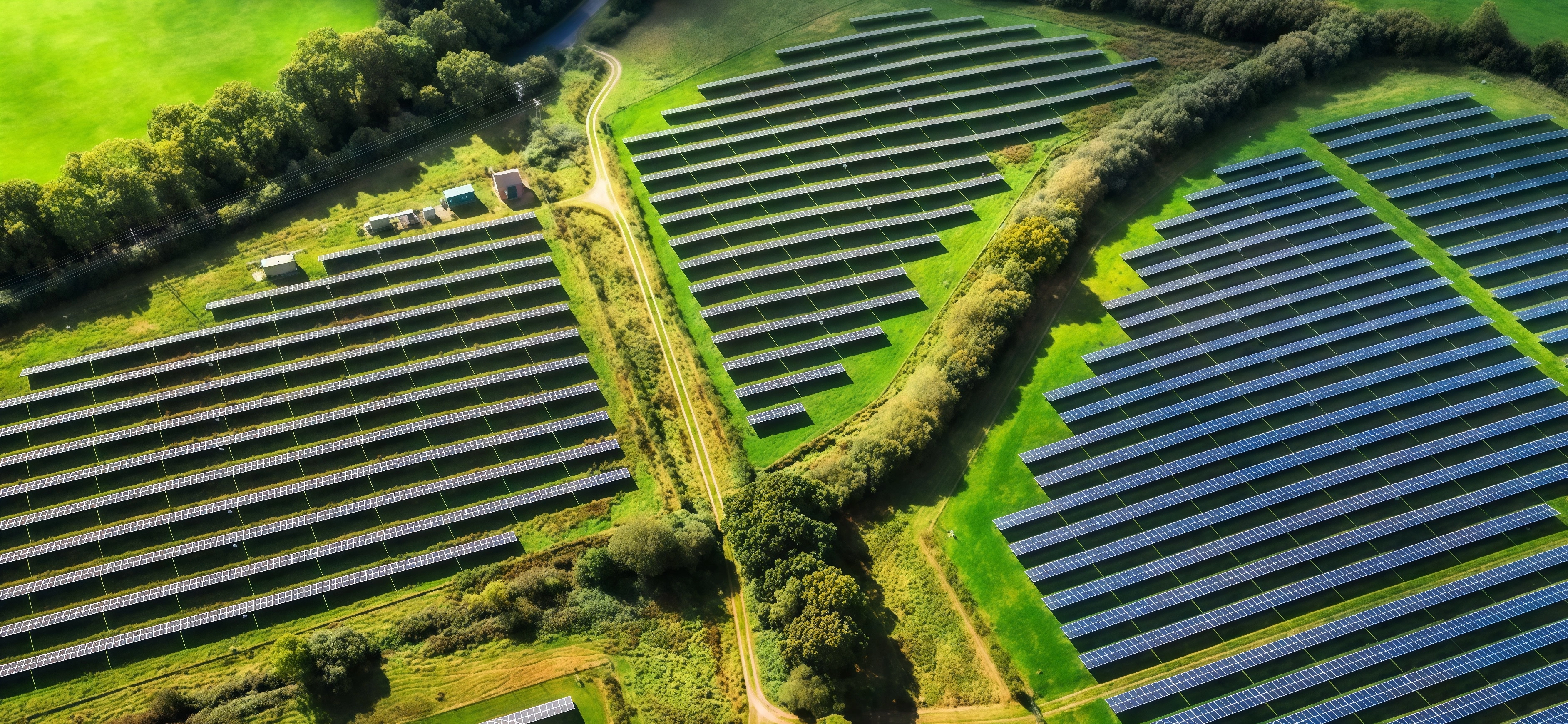
A high-efficiency agrivoltaic structural system engineered for dynamic land utilization. The framework utilizes specialized multi-axis adjustments to maintain precise crop light transmittance while safely dispersing extreme environmental loads across the foundational grid.
Supported by our end-to-end construction project management services, the facility ensures seamless grid integration. Rigorous site assessments and material traceability guarantee long-term operational resilience for multi-megawatt agricultural energy demands.
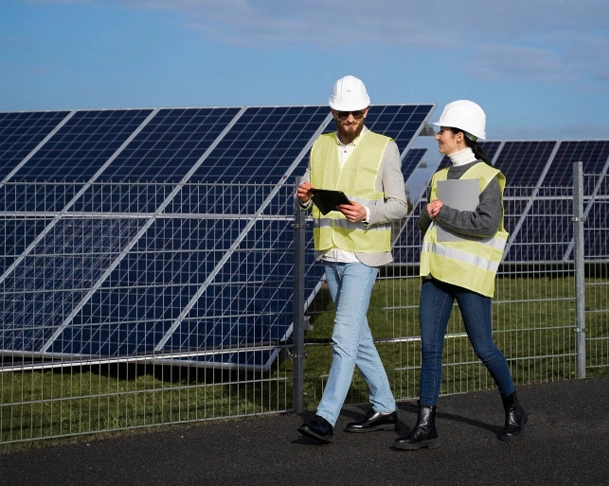
Our agrivoltaic structural systems are engineered using high-grade galvanized steel, ensuring multi-decade durability in harsh outdoor environments. By optimizing module tilt and row spacing, we balance solar yield with essential crop illumination, backed by rigorous structural stability testing.
| Primary Material | Hot-dip Galvanized Steel (Q235B/Q355B) |
| Wind Load Rating | Engineered up to 60m/s |
| Snow Load Rating | Engineered up to 1.4KN/m² |
| Tilt Angle | Customizable 0° - 45° |
| Standard Compliance | JIS C 8955:2017, AS/NZS 1170, DIN 1055 |
Verifiable execution standards from our global commercial and utility-scale partnerships.
"Their sustainable engineering solutions fundamentally upgraded our 50-hectare facility. The customized PV structures maintained accurate sunlight penetration for our crops while surpassing our baseline energy yield projections."
"Outstanding execution standard. Their comprehensive construction project management services ensured our utility-scale agrivoltaic plant was delivered mechanically complete ahead of schedule with zero safety incidents."
"The structural integrity of these steel systems is top-tier. We've experienced intense seasonal wind loads, and the mounting infrastructure hasn't exhibited any deflection. A highly reliable engineering partner."
Technical literature and regional deployment analyses.
Our optimal engineering baseline begins at 1MW installations, allowing for maximum efficiency in material deployment and structural planning.
Standard structural manufacturing and component delivery take 8-12 weeks, depending on the complexity of the site engineering requirements.
Our structural components are manufactured in ISO-certified facilities and comply with CE and TUV international load and safety standards.
We conduct precise shading analysis to determine optimal module row spacing, tilt angles, and structural height tailored to specific crop requirements.
Engineered for extreme conditions, standard configurations withstand wind loads up to 60m/s and snow loads up to 1.4KN/m².
Yes, our engineering team provides comprehensive 3D modeling, geological assessments, and structural analyses for every installation site.
